
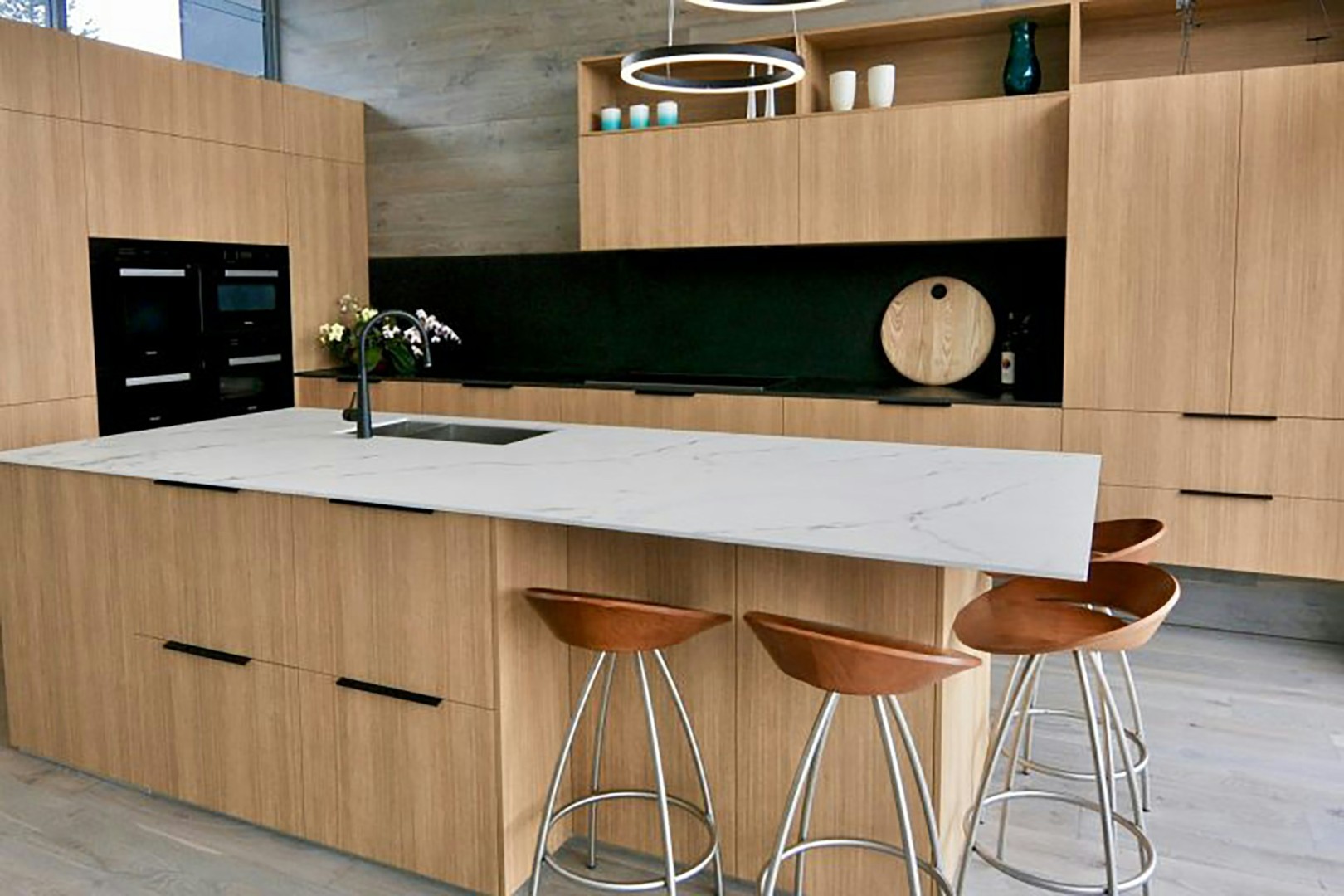
There’s a moment in every kitchen build where things either click into place or start to unravel. It usually happens when the first cabinet goes up. If the measurements are right, everything flows. Panels align, doors fit perfectly, and the space begins to take shape exactly as planned. But if something is off, even slightly, the entire project slows down. Adjustments creep in, materials get wasted, and what should have been a smooth build turns into a series of fixes.
That difference comes down to planning. More specifically, it comes down to having a clear, accurate cutting list before a single board is touched.
Why Planning Matters for DIY Kitchen Cabinets
A well-planned cutting list is the foundation of any successful cabinet project. It gives structure to your build, helps you visualise every component, and ensures your materials are used efficiently. Without it, even experienced carpenters can run into costly mistakes.
Good upfront planning means less waste, more accurate assembly, and better control over your budget. The term “measure twice, cut once” rings true for this exact reason.
With Timbercity – your trusted DIY project partner – you’ll have access to quality materials, expert advice, and professional support that sets your project up for success from the start.
Understanding a Cutting List
What Is a Cutting List?
A cutting list is a detailed breakdown of every piece you need to complete your cabinets. It acts as a working blueprint, guiding how boards and timber are cut and used throughout your project. Carpenters and craftsmen rely on cutting lists to ensure accuracy, consistency, and efficiency across every build.
Why a Cutting List Is Essential for DIY Kitchen Cabinets
Without a proper cutting list, it’s easy to lose track of measurements, overuse materials, or cut components incorrectly. A structured list keeps your project organised, ensures correct sizing, and helps you estimate exactly how much material you need. It removes guesswork and replaces it with confidence.
Typical Information Included in a Cutting List
Each cutting list should clearly outline every component required for your cabinets. This includes the panel name, length, width, thickness, quantity, and material type. Whether you are working with melamine, plywood, MDF, or solid timber, this level of detail ensures every piece is accounted for before cutting begins.
Planning Your Kitchen Cabinets Before Cutting
Measure Your Kitchen Space Correctly
Accurate measurement is where every successful project begins. Take the time to measure wall lengths, heights, and depths carefully. Factor in appliances, plumbing, and electrical points so your cabinets fit seamlessly into the space. Even small measurement errors can lead to major setbacks later on.
Decide on Your Cabinet Layout
Think through how your kitchen will function. Base cabinets, wall units, corner solutions, pantry storage, and drawer systems all need to work together. A clear layout helps you determine exactly what needs to be built and how each component fits into the bigger picture.
Choose the Right Materials
Material choice plays a major role in both durability and finish. Melamine boards offer a clean, modern look. MDF provides a smooth surface for painted finishes. Plywood delivers strength and longevity, while solid timber adds structural support where needed. Timbercity offers a wide range of boards and timber options, giving customers the flexibility to choose materials that suit both design and function.
Creating a Board Cutting List for Kitchen Cabinets
Step 1: List All Cabinet Components
Start by identifying every part of your cabinets. This includes sides, tops, bottoms, shelves, back panels, doors, and drawer components. Each piece must be accounted for to avoid missing elements during assembly.
Step 2: Calculate Dimensions for Each Component
Use your overall cabinet measurements to determine the size of each panel. Always factor in material thickness to ensure accurate joins and consistent alignment across all units.
Step 3: Organise the Cutting List
A clear structure keeps everything easy to follow. Group components by type and include quantity, dimensions, and material. This level of organisation helps streamline both cutting and assembly.
Step 4: Optimise Board Usage
Smart planning reduces waste. Arrange your cuts to get the most out of each board, minimising offcuts and improving cost efficiency. At Timbercity, our teams are ready to assist with board selection and other expert advice to help you optimise your materials before cutting begins.
Creating a Timber Cutting List for Structural Elements
When to Use a Timber Cutting List
Not all cabinet components come from sheet boards. Timber cutting lists are used for structural elements such as support rails, frames, and reinforcement pieces that add strength and stability to your cabinets.
How Timber Components Differ From Board Panels
Solid timber provides strength where it matters most. Unlike flat panels, timber elements often form the framework that supports weight and maintains structure over time.
Example Timber Components
Common timber elements include support rails, face frames, drawer supports, and kickboard structures. These components ensure your cabinets remain stable, functional, and built for durability.
Tools and Software That Help With Cutting Lists
- Traditional Methods: Many carpenters still rely on sketches and spreadsheets to plan their projects. These methods work well when paired with careful measurement and experience.
- Digital Tools: Modern tools make planning even more precise. Cutting list generators and cabinet design software help automate calculations, optimise layouts, and improve overall accuracy. These tools are especially useful for larger or more complex projects.
Using Timbercity’s Board Cutting Services
Professional preparation can transform your entire workflow. At Timbercity, we offer board cutting services to ensure every panel is cut to exact specifications, saving time and eliminating the need for specialised equipment.
With access to quality boards, reliable timber, and expert advice, DIYers and professionals alike can approach their projects with confidence. Our in-store teams act as an extension of your workshop, helping you get every detail right before assembly begins.
Explore our full range of board and woodworking services available to support your next build.
Common Mistakes When Planning Kitchen Cabinet Cutting Lists
Even well-planned projects can run into trouble if key details are overlooked. Incorrect measurements, ignoring board thickness, poor layout planning, and forgetting hardware like hinges and drawer runners can all lead to costly rework. Taking the time to plan properly helps avoid these issues and keeps your project on track.
Final Tips for Successful DIY Kitchen Cabinets
- Double-check every measurement before cutting.
- Label each piece clearly as you go.
- Assemble cabinets in stages to maintain control over the process, and always test fit components before final installation.
- It is also wise to allow for a small margin of extra material to account for unexpected adjustments.
Sourcing your boards and timber from a trusted partner like us, ensures you are working with quality materials from the start, supported by expert advice that keeps your project moving forward.
Build Your Kitchen Cabinets With a Smart Cutting Plan
A straightforward cutting list simplifies everything. It reduces waste, improves accuracy, and turns complex builds into manageable steps. Whether you are a seasoned carpenter or tackling your first DIY kitchen, planning properly gives you the confidence to build with precision.
With Timbercity, you have access to the boards, timber, and professional services needed to bring your vision to life. Ready to get started? Request a quote today and take the first step toward a kitchen that fits perfectly from the start.
Timbercity – your project partner.
FAQs
What is a board cutting list for kitchen cabinets?
A board cutting list is a detailed plan that outlines every panel required for your cabinets, including sizes, quantities, and materials. It ensures accurate cutting and efficient use of boards.
How do you create a cutting list for DIY kitchen cabinets?
Start by measuring your space, planning your layout, listing all components, and calculating dimensions for each piece. Organise the information clearly to guide your cutting process.
What materials are best for building kitchen cabinets?
Common options include melamine, MDF, plywood, and solid timber. Each offers different benefits depending on durability, finish, and application.
Can Timbercity cut boards for kitchen cabinet projects?
Yes, we provide professional board cutting services at Timbercity, ensuring accurate cuts, reduced waste, and easier cabinet assembly for your projects.