
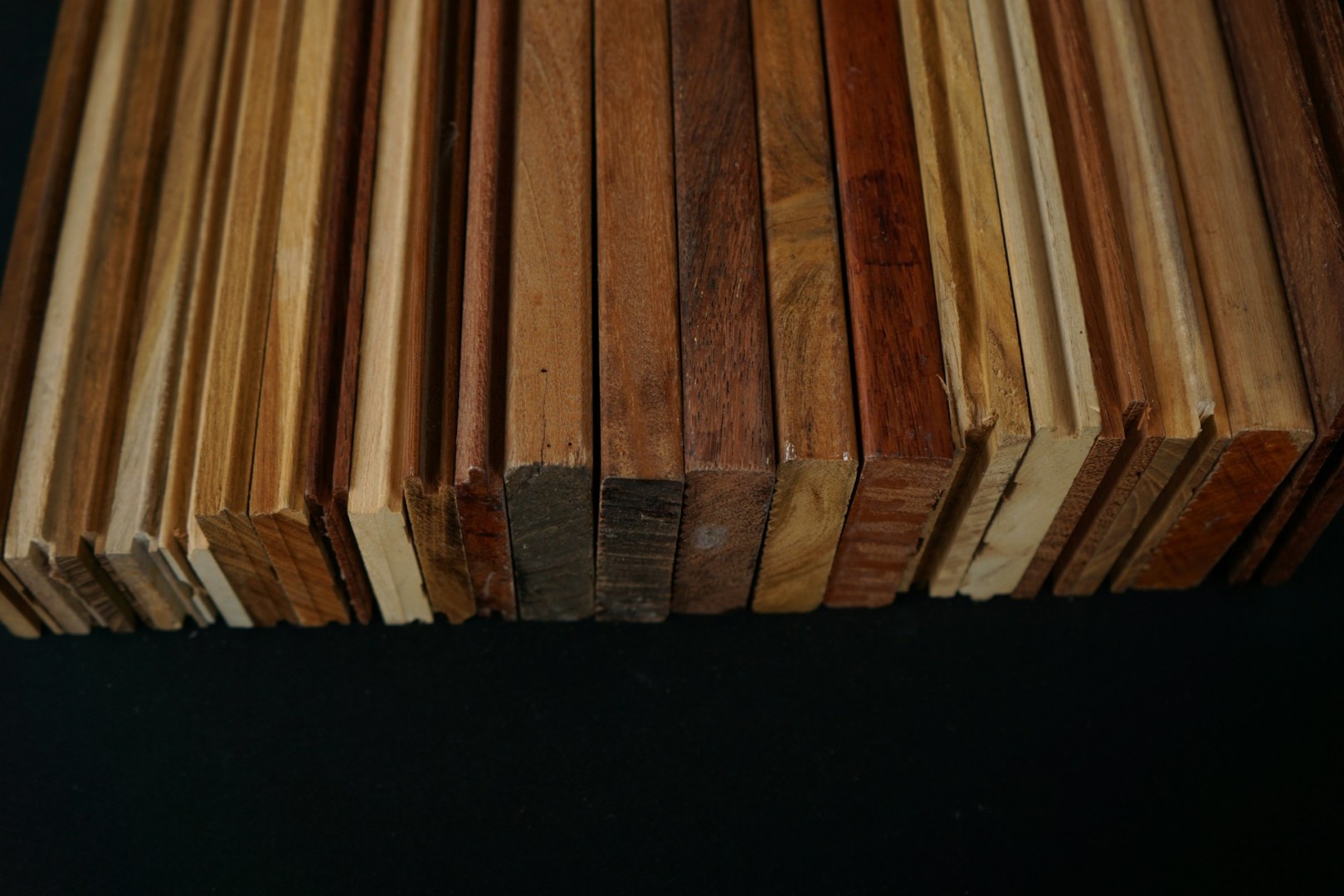
Imagine rushing into your local DIY shop, selecting some board with a thickness that you’ve guessed is right, getting all the way home, only to find it’s nowhere near the right thickness for the job you need it to perform? An annoying situation, not so!
The thickness of your plywood, MDF, or timber boards directly impacts structural strength, stability, load-bearing capacity, and longevity. Too thin, and a shelf will sag under the weight of the countertop. Too thick, and you’re paying for unnecessary material while adding bulk.
At Timbercity we are proud to be your project partner! With the right measurements and our wide selection of boards, your next DIY project will look flawless and professionally finished. We supply board in multiple sizes and offer wood and board cutting services, helping DIY enthusiasts and professional contractors get the exact dimensions every time.
Understanding Board Measurements
Board measurements specify a board’s length, width, and thickness—three key dimensions that define how it fits into your project. While length and width determine coverage, thickness dictates strength and durability.
Board thickness matters because it ensures structural strength and load-bearing capacity, it affects screw holding and fastening security, and it prevents bending, sagging, or early wear. Using the correct thickness keeps your project stable and long-lasting.
Common Board Thicknesses Used in Projects
Different projects demand different thicknesses:
- 3mm: Thin backing boards and decorative panels
- 6mm: Light panels and decorative finishes
- 9mm: Lightweight furniture components
- 12mm: Cabinet components, shelving panels
- 16mm / 18mm: Standard kitchen cabinet boards, furniture panels
- 21mm+: Heavy-duty shelving, worktops, and structural boards
Choosing the right board thickness depends on how your project will be used, the expected load, and whether it will support weight or just serve as a decorative surface. Make full use of our board and woodworking services for everything you might need for your next carpentry job.
Understanding Plywood Board Dimensions
Plywood sheets typically come in standard sizes (e.g., 2440mm x 1220mm) with varying thicknesses. Thickness determines strength, flexibility, and suitability for different applications.
Typical Plywood Board Thickness Applications
- 6mm plywood: Backing panels, decorative surfaces
- 12mm plywood: Cabinet sides, shelving panels
- 18mm plywood: Structural shelving, furniture carcasses
Plywood’s cross-layered construction gives it excellent strength for DIY projects, making it a go-to material for cabinets, shelving, and furniture frames.
Understanding MDF Board Measurements
MDF (Medium Density Fibreboard) otherwise known as Supawood, is available in a range of thicknesses and sheet sizes, ideal for smooth, paint-ready surfaces. Common MDF thickness include:
- 6mm & 9mm: Cabinet doors and decorative panels
- 12mm: Furniture surfaces
- 16mm & 18mm: Wall panels and shelving
MDF’s uniform density allows for crisp, clean edges and a flawless finish, making it ideal when aesthetics are just as important as functionality.
Choosing the Right Thickness for Different Projects
- Shelving Projects: Ideally choose 16mm–18mm for standard loads; 21mm+ for heavy items
- Kitchen Cabinets: Choose 16mm–18mm for carcasses; thinner boards for backing panels
- Furniture Projects: Desks, tables, and larger structures require thicker boards for durability
- Wall Panels & Decorative Projects: Using 6mm–12mm is typically sufficient for cladding and décor
Selecting thickness according to function prevents sagging, warping, and structural failure.
Why Pre-Cut Wood Board Matters
- Saves time on measuring and cutting
- Guarantees accurate dimensions
- Reduces material waste
Timbercity Board Cutting Services
With our board cutting services, you can have boards cut precisely to your project specifications. This is ideal for DIY builders and contractors looking to simplify installation and assembly. Accurate cuts also mean less rework and a smoother workflow.
When selecting the right board for your project, and before giving final measurements to our cutting team, make sure you:
- Measure your project space twice
- Match board thickness to expected load requirements
- Use thicker boards for structural components
By choosing the right thickness and using our precision cutting services, DIY builders and professional carpenters alike can achieve flawless results every time.
Timbercity – your project partner.
FAQs
What board thickness should I use for shelving?
16mm–18mm for standard loads; 21mm+ for heavy-duty shelving.
What are standard MDF board measurements?
MDF boards typically come in 6mm, 9mm, 12mm, 16mm, and 18mm thicknesses with sheet sizes around 2440mm x 1220mm.
What is the typical ply board dimension used for furniture?
Common plywood thicknesses for furniture include 12mm for cabinet components and 18mm for structural shelving.
Can wood boards be cut to size for DIY projects?
Yes. At Timbercity we offer professional board cutting services to deliver boards accurately sized for your project.