
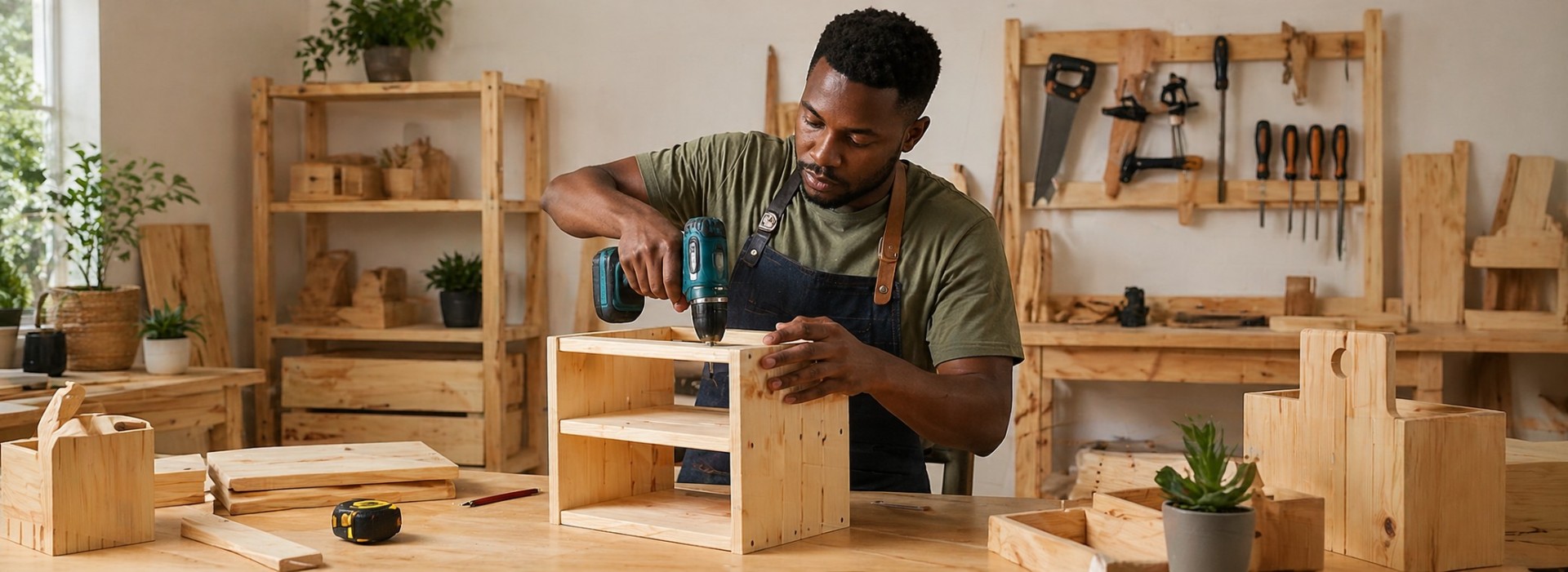
You don’t really “decide” to start woodworking. It usually starts with a simple idea.
A shelf that could fit that empty wall. A storage box that would make a space feel less cluttered. A small project that feels achievable enough to try on a weekend.
Pine timber is often where that idea turns into action.
It’s easy to work with, widely available, and forgiving enough for first-time mistakes that every beginner makes. You don’t need a full workshop setup to start. Just the right material, a few basic tools, and a clear idea of what you are building.
Timbercity supports that starting point with quality pine timber, custom cutting, and practical guidance that helps turn simple projects into properly finished pieces.
This guide walks through why pine is ideal for beginners, what you can build with it, how to prepare it, and how to get a clean, professional result even on your first attempt.
Why Pine Timber Is Perfect for Beginner Carpentry
There is a reason most woodworking journeys start with pine. It does not fight back.
It cuts easily, sands smoothly, and responds well to basic tools. For someone still learning how timber behaves, that matters more than anything else.
Workability
- Pine is soft enough to work with hand tools, yet stable enough to build real structures from.
- It does not demand precision at a professional level from day one. It gives you room to learn how cutting, joining, and sanding actually feel in practice.
- Mistakes are part of the process here, and pine is forgiving enough to absorb them without ruining the project.
Affordability
- Most first projects are also learning projects, which means material waste is part of the process.
- Pine makes that easier to manage.
- It is one of the most cost-effective timber options available, which means you can practice, adjust, and try again without feeling like every cut is expensive.
Versatility
- Pine adapts easily to different types of builds.
- It can be painted for a clean modern finish, stained for a more natural look, or left raw for a simple, rustic feel.
- It works indoors for furniture and storage, and outdoors when properly treated and sealed.
Availability
- One of the biggest advantages is simply access.
- Pine is consistently stocked and available in multiple sizes, which makes planning easier even for smaller DIY builds.
- Timbercity also offers custom cutting, which removes the need for advanced tools at the start and helps beginners focus on assembly rather than precision cutting.
- For a closer look at available pine options, explore Timbercity’s range of structural and general-purpose timber.
Easy Wood Projects for Beginners Using Pine Timber
Most beginners don’t need complexity. They need something that actually gets finished.
These projects are designed to build confidence while still producing something useful.
Simple Wooden Shelf
This is often the first real woodworking project people complete.
It involves basic cutting, sanding, and fixing, but the result is immediate and practical.
A shelf can go almost anywhere in the home and gives instant feedback on spacing, alignment, and finishing.
Wooden Storage Box or Crate
A storage box introduces the basics of assembly and joining.
It is simple in structure but teaches how pieces come together as a unit.
It also allows for creativity through paint or stain, which makes it a good early finishing exercise.
Garden Bench or Outdoor Seating
This is where things start to feel more like real construction.
It requires measuring, assembly, and a basic understanding of load-bearing structure.
Pine works well here when properly treated and sealed for outdoor conditions.
Small Side Table or Coffee Table
A step up in complexity, but still very achievable.
This project introduces legs, surface alignment, and structural balance.
It also starts to bridge the gap between functional build and design piece.
Picture Frame or Wall Art Panel
This is the simplest entry point into woodworking.
It requires minimal material and focuses more on accuracy and clean finishing than structure.
It is ideal for practicing cutting angles and joining without pressure.
For more inspiration across beginner and advanced DIY builds, Timbercity regularly shares practical project ideas here.
Tools and Materials Needed for Beginner Pine Projects
Most beginner woodworking projects do not require a full workshop. They require consistency more than complexity.
Basic Tools
- A tape measure and pencil form the starting point for everything.
- A saw handles basic cuts, whether hand or powered.
- Sandpaper smooths edges and prepares surfaces.
- A hammer or screwdriver is used for fixing pieces together.
- Wood glue helps strengthen joins.
- Clamps keep everything stable while drying.
- A spirit level helps confirm alignment.
Materials
- Pine timber cut to size for the project.
- Wood filler for small gaps or imperfections.
- Paint, stain, or primer depending on the finish.
- Sealer or varnish for outdoor use.
- Timbercity’s custom cutting service can prepare pine to exact dimensions before you start building, which removes one of the most common early mistakes in DIY woodworking.
How to Prepare Pine Timber Before Building
Preparation is where most beginners underestimate the process.
It does not feel like building, but it determines how the final project turns out.
Start by checking each piece of timber for straightness. Warped boards will affect alignment later.
Sand surfaces before assembly to remove rough edges and splinters.
Fill visible knots or imperfections if the final finish will be painted.
Allow timber to adjust to room temperature before starting, especially if it has been stored elsewhere.
Pre-drill screw points near edges to prevent splitting during assembly.
Good preparation reduces frustration later and improves the overall finish without adding complexity to the build.
Tips for Getting a Professional Finish on Beginner Projects
A clean finish does not come from advanced tools. It comes from patience at the right stages.
Spend more time sanding than you think you need. Smooth surfaces always show in the final result.
Use wood filler to correct small imperfections before painting.
Apply primer before paint when working with pine to avoid uneven absorption.
Allow each coat to dry fully before applying the next.
Seal outdoor projects properly to protect against weather exposure.
Common beginner mistakes include skipping sanding, rushing drying time, and using timber that was not checked for warping before starting.
How to Match Pine Projects to Skill Level and Lifestyle
Not every beginner starts in the same place.
Some want a simple first project that builds confidence. Others want to improve their home with practical builds like shelves or tables. Some are learning carpentry as a long-term skill and want gradual progression. Others are exploring woodworking as a hobby or teaching tool.
Pine works across all of these because it is flexible, forgiving, and easy to scale in complexity.
Why Source Pine Timber from Timbercity?
Beginner projects are only as smooth as the materials behind them.
Timbercity has over 50 years of experience supplying timber and building materials to DIY users and contractors across South Africa.
The range includes pine timber suited to everything from small beginner projects to larger carpentry builds.
Custom cutting, edging, and drilling services help remove the technical barriers that often stop beginners from completing their first project.
In store staff also provide practical guidance on material selection, which helps match the right timber to the right project from the start.
For beginners, that support often makes the difference between starting a project and finishing one.
Start Building with Confidence Using Pine Timber
Every woodworking skill starts small.
A straight cut. A clean joint. A finished piece that looks better than expected.
Pine timber makes those early wins easier to reach. It is forgiving, accessible, and practical enough to support real learning through doing.
The key is not complexity. It’s consistency.
Visit Timbercity in-store or online to explore pine timber, custom cutting services, and beginner-friendly materials that help turn first projects into finished results.
Frequently Asked Questions
Why is pine timber good for beginner carpentry?
It is easy to cut, affordable, and forgiving enough for beginners to learn without wasting material.
What are the easiest DIY wood projects for beginners?
Shelves, storage boxes, picture frames, and small tables are common starting points.
What tools do I need to start woodworking with pine?
Basic tools include a saw, a tape measure, sandpaper, screws or nails, wood glue, and clamps.
How do I finish pine timber for a professional look?
Sand properly, use primer before paint, apply even coats, and seal if used outdoors.
Where can I buy pine timber for DIY projects in South Africa?
Timbercity offers pine timber, cutting services, and project support across its nationwide branches.