
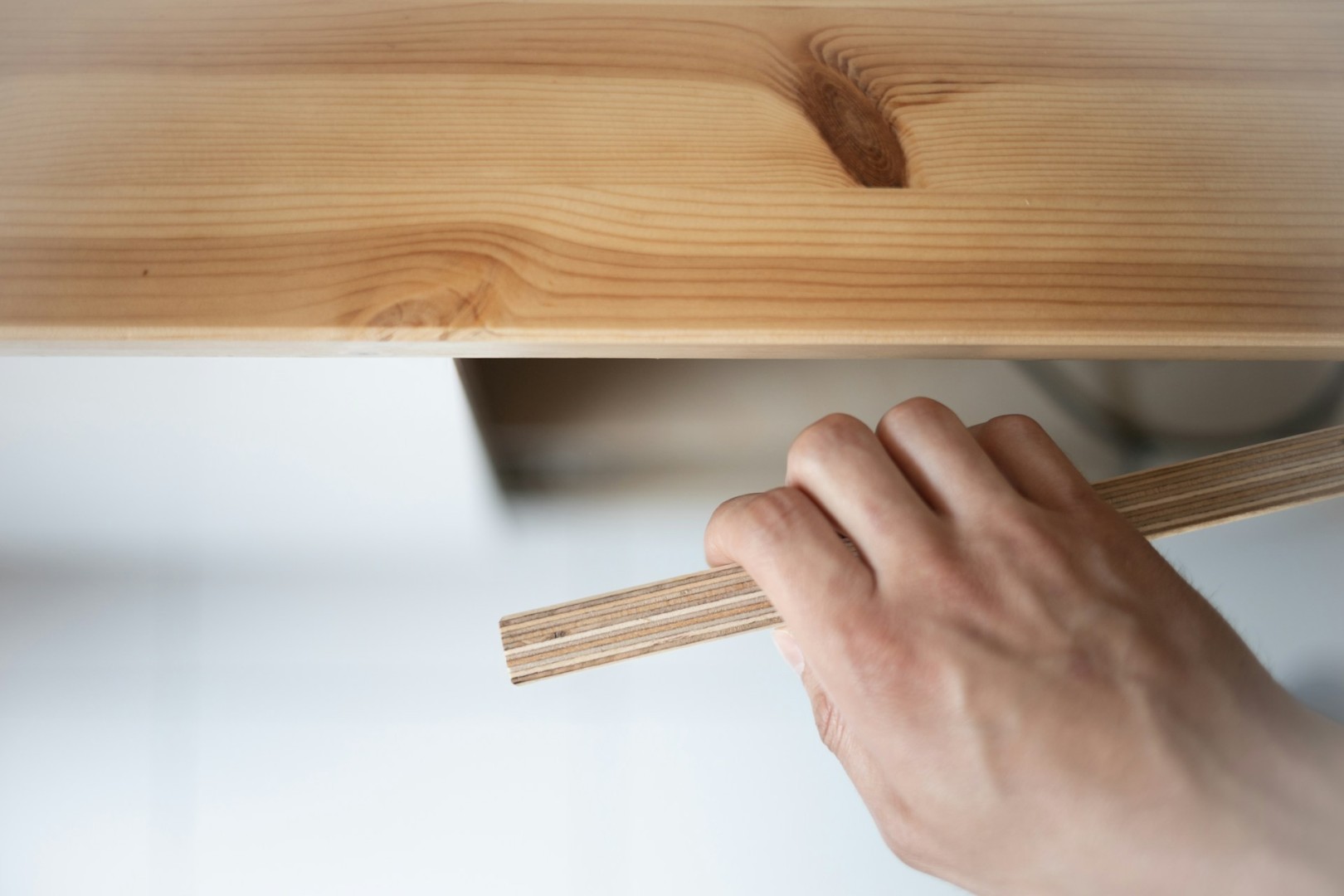
Cabinets seem straightforward at first. Then you start using them every day, loading them with weight, slamming doors, wiping spills, and living with heat and moisture, and suddenly lifespan matters a lot more.
The truth is, not all cabinets are built to last the same way. Material choice, installation quality, and the room they’re in all play a role. A well-built cabinet in a dry bedroom can go the distance. The same unit in a busy kitchen or damp bathroom will have a much tougher time.
This guide looks at what really affects cabinet lifespan, how different materials hold up, and when it makes more sense to refresh instead of replace.
Explore our durable cabinetry options.
The Material Matters: Determining Base Lifespan
If you want to understand how long cabinets last, you have to start with what they’re made of. Material choice is the biggest factor in overall durability.
Melamine and particle board are the most common in modern homes. When properly manufactured and edge sealed, they typically last around 10 to 15 years in normal household conditions. They’re cost-effective and practical, but they do rely heavily on good edging and protection from moisture to reach their full lifespan.
MDF and plywood sit in the middle range. MDF offers a smooth, consistent finish and works well for painted cabinetry, while plywood brings stronger structural integrity and better resistance to movement and moisture changes. Both can comfortably last 15 to 25 years when properly maintained.
Solid timber is the premium option. With the right care, sealing, and occasional refinishing, it can last 30 to 50 years or even longer. In many cases, it outlives multiple kitchen refresh cycles, which is why it’s often considered a long-term investment rather than just a material choice.
The Kitchen Battlefield: Managing Daily Wear and Tear
Kitchens are where cabinets are tested the most. They’re opened and closed constantly, loaded with heavy cookware, and exposed to heat, steam, and the occasional spill.
While the cabinet structure itself can last decades, the hardware often tells a different story. Hinges, runners, and drawer systems tend to wear out faster and may need replacing every 8 to 10 years to keep everything functioning smoothly. The good news is that this doesn’t always mean replacing the entire cabinet system.
Moisture is another major factor. Even small issues like steam from kettles or slow leaks under sinks can shorten cabinet life significantly if edges aren’t properly sealed. Once water gets into exposed board edges, damage tends to spread quickly and becomes difficult to reverse.
Battling the Elements: Surviving the Bathroom
Bathrooms bring a completely different challenge. Unlike kitchens, the main issue here is constant humidity rather than direct impact or heavy loads.
Steam from showers and baths, combined with limited ventilation, creates the perfect environment for moisture to seep into joints and edges. Over time, this can lead to swelling, warping, and surface breakdown, especially in lower-quality boards.
The best defence is choosing the right material and finish from the start. Moisture-resistant boards, sealed timber, or high-gloss laminates all perform better in damp environments because they reduce water absorption and protect vulnerable edges.
Knowing When to Replace vs Reface
Not every worn cabinet needs to be replaced entirely. Sometimes the structure is still solid, even if the surface looks dated or tired.
Full replacement becomes necessary when the core structure starts failing. That includes sagging shelves that no longer hold weight, water-damaged bases, or hinge points that have become too worn to repair properly. At that stage, the cabinet has reached the end of its usable life.
If the carcass is still in good condition, refacing is often the smarter option. Replacing doors, drawer fronts, and hardware can completely transform the look and extend the life of the unit without the cost and disruption of a full rebuild.
You can explore modern replacement options here.
Buy Smarter, Build Storage That Lasts
Cabinet lifespan isn’t just about time, it’s about choices. The right material in the right space can last decades, while the wrong one can start failing in just a few years.
When you match durability to environment and invest in proper finishing and hardware, you extend both performance and appearance significantly. It’s not just about building storage, it’s about building it to last.
To explore long-lasting cabinetry solutions or speak to a Timbercity specialist, visit your nearest branch or browse online to plan your next project.
Frequently Asked Questions
What is the average lifespan of standard melamine kitchen units?
Typically around 10 to 15 years, depending on usage, installation quality, and how well the edges are sealed.
How can I protect my bath cabinet from steam and water damage?
Good ventilation, moisture-resistant materials, and properly sealed edges are key to preventing long-term damage.
Are solid wood cabinets worth the extra investment over MDF?
Yes, solid wood offers a significantly longer lifespan and can be refinished over time, making it a long term investment.
Can I just replace the doors if the main frames of my cabinets are still in good condition?
Yes, if the structure is sound, replacing doors and hardware can completely refresh the look and extend usability.