
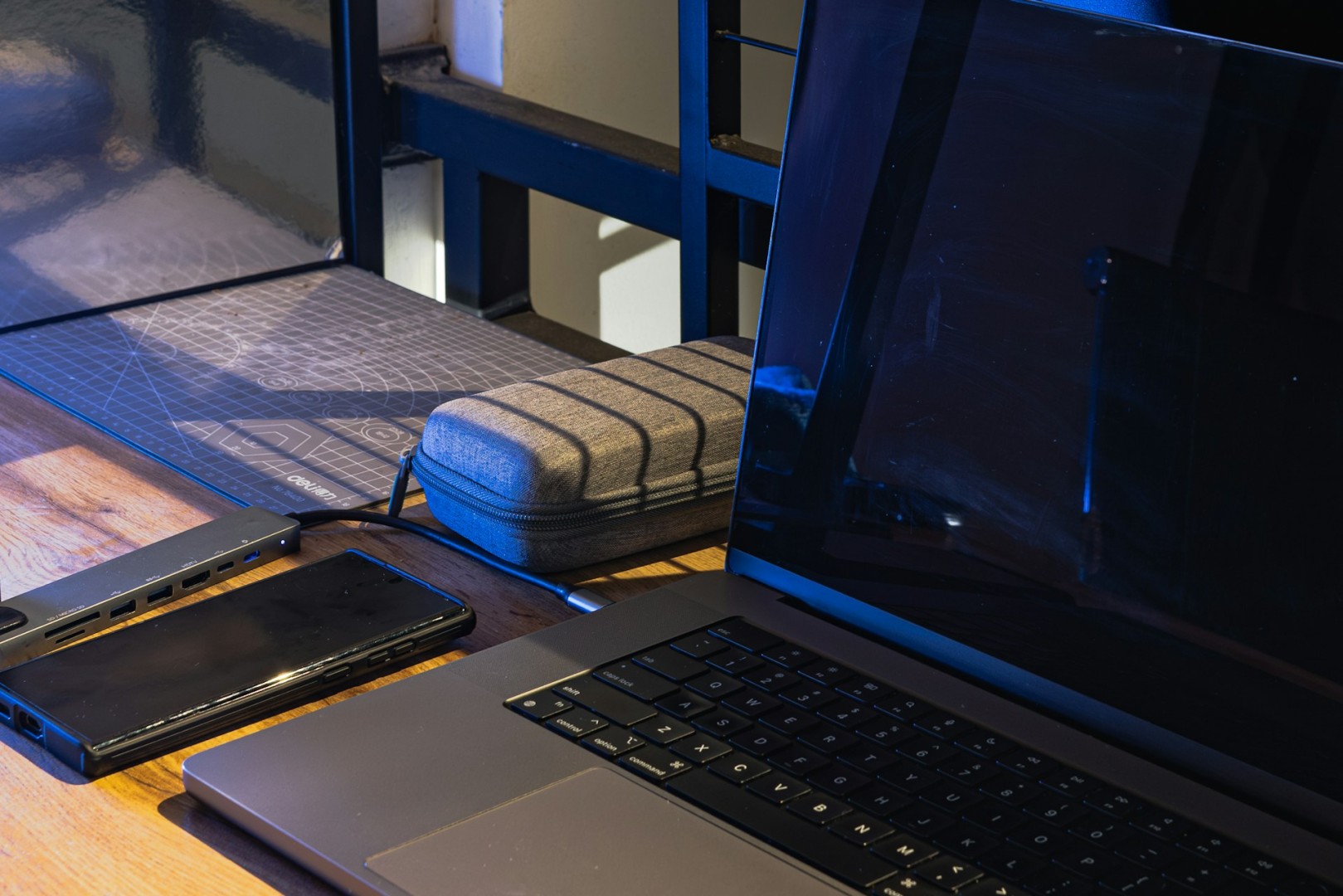
A cluttered home office slows everything down.
The cables spread. The paperwork piles up. The desk gets crowded before the day has even properly started.
That’s why storage matters so much in a workspace. Off the shelf furniture often misses the mark, but custom timber boards and cabinetry let you build around how you actually work.
More surface where you need it. More storage where it counts. A cleaner space that feels built for the room, not squeezed into it.
From shelving and desks to full cabinetry solutions, Timbercity gives you the materials to make it work properly.
Let’s talk about some storage ideas for your home office.
The “Desk-and-Cabinet” Combo: Building Your Command Centre
One of the smartest home office layouts starts with a simple idea: let the storage support the workspace.
Using cabinets as the base for a desk instantly creates a cleaner, more functional setup. Deep drawers handle files, chargers, stationery, and hardware, while a thick timber board spanning across the top creates a seamless custom desk surface.
It’s practical, but it also changes the feel of the room. A continuous timber desktop looks more architectural than standard office furniture, especially when paired with cabinetry that matches the rest of the space.
This kind of setup works particularly well in smaller home offices because it combines storage and workspace into a single footprint rather than filling the room with disconnected furniture pieces.
If you’re planning a more organised workspace layout, these space-saving cabinet ideas are a strong place to start: Space-Saving Cabinets for Home Offices
Maximising Vertical Space with Floating Shelves
The floor fills up quickly in a home office. Walls, on the other hand, are often underused.
Floating shelves help shift storage upward without making the room feel heavy or overcrowded. They keep the footprint clean while creating space for books, printers, décor, and everyday office essentials.
Solid timber planks are ideal for this because they offer both structural strength and visual warmth. Thicker boards create a more premium, substantial look, especially in minimalist office spaces where shelving becomes part of the overall design.
The bracket choice matters too. Hidden brackets create a cleaner floating effect, while exposed industrial brackets lean into a more functional, workshop-inspired aesthetic.
Either way, the goal is the same: practical storage that still feels intentional.
Creating a Floor-to-Ceiling Bookshelf Unit
A built-in bookshelf wall completely changes the presence of a home office.
It creates storage, display space, and visual structure all at once – especially when you combine lower cabinets with open shelving above.
The closed cabinetry handles the clutter: paperwork, routers, cables, backup drives, office supplies. The open shelves bring balance back into the room through books, décor, and accessible storage.
This layered approach works because it hides what needs hiding while still keeping the space visually open.
Timber boards can then be stained, sealed, or painted to match existing trims, flooring, or cabinetry, helping the entire office feel cohesive rather than pieced together over time.
For projects like this, modular and customisable cabinetry systems make planning significantly easier: Cabinetry Solutions
Clever Cubbies and Desktop Organisers
Not every storage upgrade needs to be large-scale.
Sometimes the biggest improvement comes from organising the smaller things properly.
Offcuts and shorter timber planks are perfect for building monitor stands, letter trays, charging stations, or pigeonhole shelving that sits directly on the desk. These small additions reduce clutter immediately without changing the entire room layout.
And because they’re built from matching timber, they create visual consistency across the workspace rather than adding more mismatched accessories onto the desk.
It’s also one of the easiest entry-level DIY projects for homeowners wanting to experiment with timber builds before committing to larger installations.
Choosing the Right Wood at Timbercity
The timber you choose affects more than just appearance. It influences durability, weight capacity, maintenance, and how the office ages over time.
Pine remains one of the most practical options for DIY office shelving and desktops because it’s affordable, versatile, and easy to work with. Hardwoods offer greater durability and a more refined finish for high-use surfaces.
Engineered boards like plywood and MDF also play an important role, particularly for cabinet construction, backing panels, and painted finishes where stability matters more than visible grain.
And regardless of material, finishing matters. Proper sealing and varnishing protect surfaces from coffee rings, scratches, heat, and daily wear — especially on desktops that get constant use.
If you’re planning a custom office build, getting a proper quote upfront helps simplify measurements, materials, and project planning before cutting begins: Request a Quote
Bring Your Home Office Vision to Life
The best home offices balance open space with practical storage.
Floating shelves keep the room feeling light. Cabinets hide the clutter. Timber boards add warmth and structure that generic office furniture often lacks.
When those elements work together properly, the workspace becomes easier to use, easier to maintain, and far more enjoyable to spend time in.
Measure your space properly, plan around how you actually work, and build storage that supports the way your home office needs to function every day.
Frequently Asked Questions
Which timber boards are best for supporting heavy books and office equipment?
Solid timber boards and quality hardwoods provide the best strength for heavy-duty shelving and desktop applications.
How can I securely mount thick timber planks for floating shelves?
Use heavy-duty concealed brackets or properly anchored steel supports fixed directly into studs or masonry walls.
What’s the best way to integrate cabinets with custom timber shelving?
Using lower cabinets as the structural base creates a cleaner, more cohesive built-in look while adding concealed storage underneath.
How do I protect a timber desktop from stains and scratches?
Seal the surface with a quality varnish or protective coating to prevent moisture damage, coffee stains, and everyday wear.