
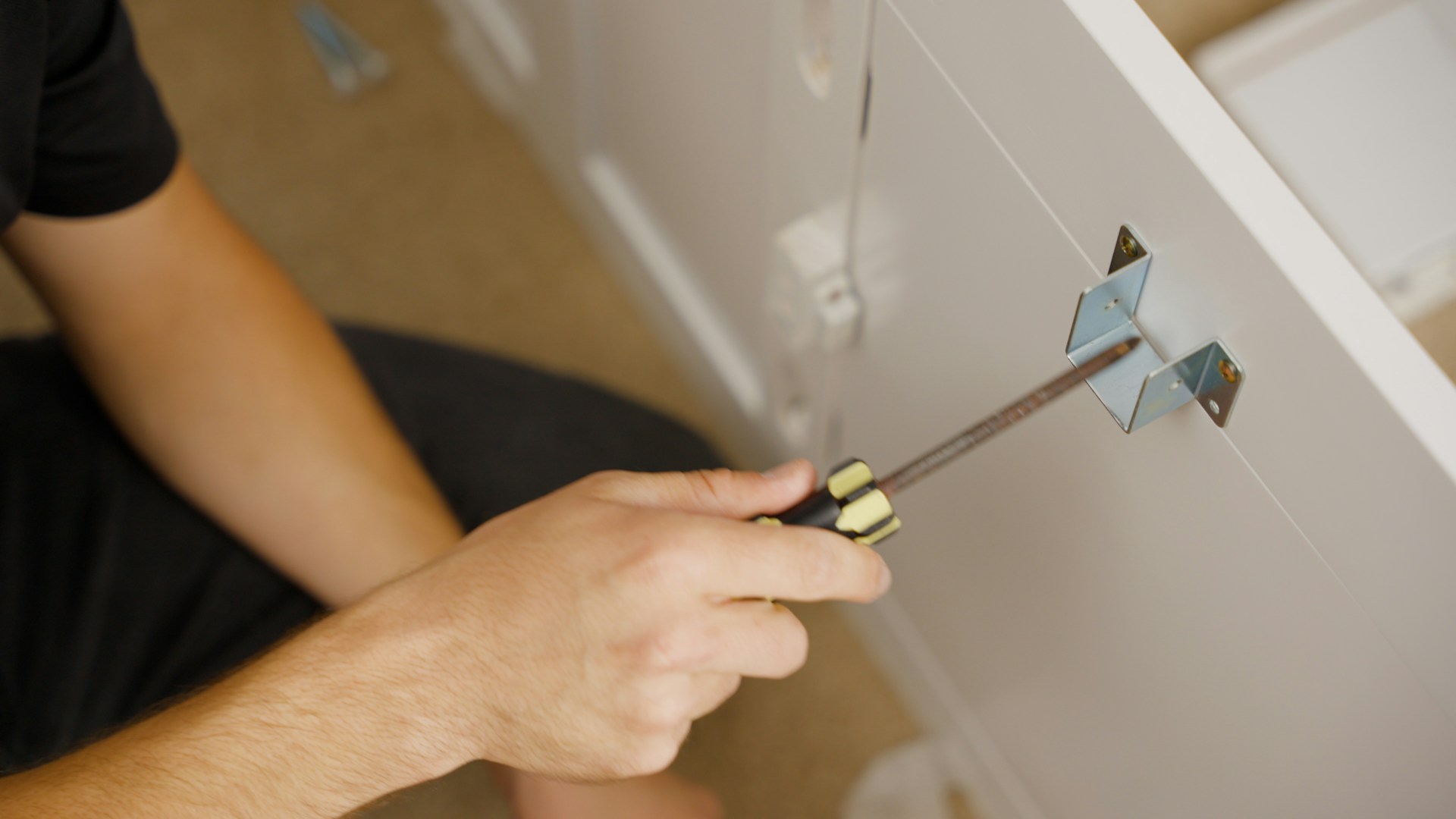
There’s a particular satisfaction that comes with finishing a cabinet installation yourself. The last screw goes in, the doors are on, and for a moment everything feels complete.
Then you notice it. A door that doesn’t quite close right. A gap that feels slightly off. A unit that’s just enough out of level to catch your eye every time you walk past it.
The truth is, cabinet installation isn’t just assembly. It’s alignment, structure, and precision working together before anything gets fixed in place. When those basics are rushed or missed, even good materials can end up looking wrong.
If you’re planning a project, having properly cut boards and well-prepared cabinetry systems makes a real difference, especially when you’re working with Timbercity solutions.
This guide breaks down the most common installation mistakes, why they happen, and how to avoid them so your final finish looks intentional, not improvised.
Mistake 1: Assuming Your Walls and Floors Are Perfectly Plumb
One of the most common assumptions in cabinet installation is that the room is square, level, and consistent. In reality, very few spaces are.
When cabinets are installed against uneven floors or bowed walls without checking first, the result is immediate: skewed lines, misaligned doors, and worktops that refuse to sit flush.
The fix starts before installation begins. Use a long spirit level or laser level to map the room properly. Identify the highest point on the floor and any deviations in the wall, and use that as your baseline for the entire installation.
Mistake 2: Starting in the Wrong Place
Where you begin matters more than most people expect.
Starting with base units or working from the middle of a wall can quickly throw off alignment and make it harder to manage corners and spacing. It also creates unnecessary handling issues when wall units still need to be installed.
The correct approach is to work from the corner outward and always install wall units before base units. This keeps the structure controlled from the very beginning and avoids compounding errors later in the process.
Mistake 3: Using the Wrong Fasteners and Wall Anchors
Cabinets carry more weight than they appear to, especially once loaded. One of the most critical mistakes is using general-purpose screws or unsuitable wall plugs.
These fasteners are not designed for sustained load and can loosen or fail over time, especially on masonry or brick walls.
For best results, always use cabinet-rated fixings and appropriate heavy-duty wall anchors. If you’re sourcing materials for a project, cabinetry systems and hardware options available through Timbercity are designed to support proper installation standards.
Mistake 4: Skipping the Shims During Alignment
Even with careful measuring, few walls are perfectly straight.
Skipping shims means forcing cabinets against uneven surfaces, which causes twisting as screws are tightened. That small distortion is enough to throw doors out of alignment and affect long-term performance.
Shims allow you to level and stabilise each unit before it is permanently fixed, ensuring clean alignment and a professional finish.
Mistake 5: Forgetting to Secure Cabinets to Each Other
Many installations only focus on fixing cabinets to the wall, ignoring the relationship between adjacent units.
Without joining them properly, small gaps begin to form over time, breaking the visual flow and weakening structural consistency.
The correct method is to clamp adjoining units together first, then secure them with connecting screws before fixing the full run to the wall. This ensures the entire installation behaves as one stable structure.
If your project requires precision sizing and preparation, services like Timbercity board cutting help ensure components fit correctly from the start.
Avoid the Pitfalls, Nail the Finish
A successful cabinet installation isn’t about speed – it’s about preparation.
Taking time to measure properly, correct for uneven surfaces, choose the right fixings, and align every unit intentionally is what separates a DIY setback from a professional result.
For materials, tools, and expert guidance, you can also make use of Timbercity cabinetry solutions designed to support accurate, long-lasting installations.
Frequently Asked Questions
Should I install wall or base units first during a kitchen cabinet installation?
Wall units first. It keeps alignment cleaner and prevents access issues during installation.
How do I ensure units are level during a cupboard installation on an uneven floor?
Use a spirit level or laser level and correct variations using shims before fixing units permanently.
Can I use standard wood screws for putting in kitchen cabinets?
No. Use proper cabinet-rated fasteners and heavy-duty wall anchors designed for load-bearing use.
What is the best way to hide gaps if my walls are crooked after a kitchen cupboard installation?
Shimming during installation is the best fix, supported by careful alignment and optional trim finishing.