
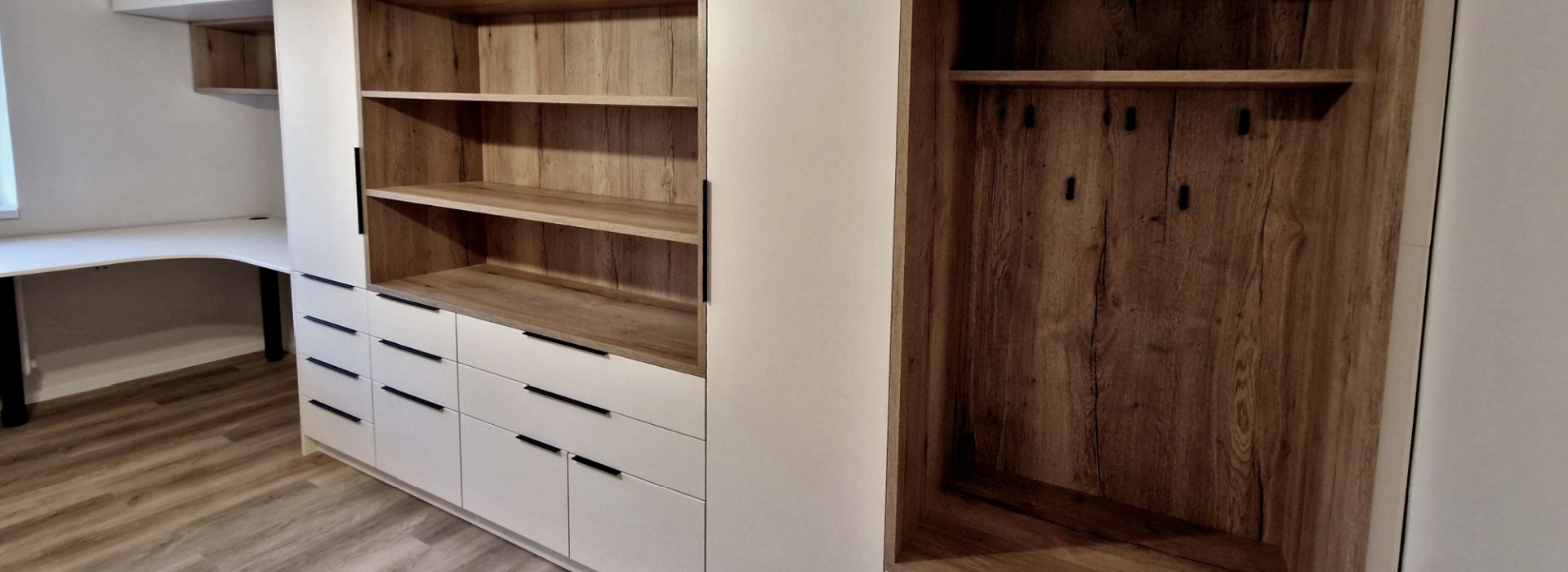
Bedroom cupboards are essential storage solutions that help keep your living space organised and clutter-free. They can accommodate everything from clothing and shoes to accessories and linens, playing a vital role in maintaining the aesthetics and functionality of your bedroom.
Importance of Choosing the Right Cupboard
Selecting the right type of cupboard is crucial, as it affects not only the usability of your space but also its overall style. The right cupboard can enhance the room’s decor, making it feel more inviting while ensuring that your belongings are easily accessible.
Overview of Cupboard Options
When it comes to bedroom cupboards, two primary options stand out: freestanding and built-in cupboards. Each type offers distinct advantages and considerations, making it essential to understand their differences.
Types of Bedroom Cupboards
Freestanding Bedroom Cupboards
Freestanding cupboards are standalone furniture pieces that can be easily moved and repositioned. They come in various styles, sizes, and materials, offering flexibility in design.
Pros and Cons
Pros:
- Mobility: Easy to move and rearrange as needed.
- Versatility: Available in various styles, allowing for personalisation.
- No Installation Required: Can be used immediately after purchase.
Cons:
- Space Consumption: Can take up valuable floor space.
- Limited Customisation: May not fit perfectly into unique room layouts.
Best Use Cases
Freestanding cupboards are ideal for renters or those who frequently change their room layout. They work well in smaller spaces where flexibility is essential.
Built-In Bedroom Cupboards
Built-in cupboards are custom-designed storage solutions that are integrated into the wall structure of the room. They are often designed to blend seamlessly with the overall decor.
Pros and Cons
Pros:
- Space Efficiency: Maximises available space and can utilise awkward corners.
- Customisation: Tailored to fit specific dimensions and styles.
- Aesthetic Appeal: Offers a polished, cohesive look.
Cons:
- Cost: Generally more expensive due to customisation and installation.
- Permanent Fixture: Difficult to move once installed.
Best Use Cases
Built-in cupboards are perfect for homeowners looking to maximise space in a permanent residence. They work well in larger bedrooms where custom storage solutions can be designed to fit.
Features to Consider
Space Utilisation
Consider how each cupboard type optimises your available space. Freestanding options may limit floor space, while built-in designs can be tailored to maximise every inch.
Cost Considerations
Evaluate the initial cost versus the long-term value of each type. Freestanding cupboards may have lower upfront costs, while built-ins can offer greater durability and customisation.
Installation and Maintenance
Freestanding cupboards require no installation, while built-ins involve a more complex setup. Assess your willingness and ability to maintain either option.
Design and Customisation
Explore customisation options for both types. Freestanding cupboards often come in diverse styles, while built-ins can be designed to match your decor perfectly.
Choosing the Right Cupboard for Your Needs
Tips for Selecting the Right Cupboard
Consider the following factors when deciding between freestanding and built-in cupboards:
- Room Size: Evaluate how much space you have available.
- Storage Needs: Assess what items you need to store and how often they need to be accessed.
- Personal Style: Choose a design that complements your bedroom decor.
Factors to Consider Before Making a Purchase
- Budget: Determine how much you are willing to spend.
- Space: Measure your room to ensure the cupboard fits appropriately.
Questions to Ask Before Buying
- What are the cupboard dimensions?
- What is the material and finish?
- What is the warranty and return policy?
Price Range for Cupboards
Entry-Level Cupboards
Options for those on a budget typically include basic freestanding cupboards that offer essential storage without extra features.
Mid-Range Cupboards
Balanced options may include customisable freestanding designs or semi-custom built-in cupboards, offering good quality and functionality.
High-End Cupboards
Premium options often include fully customised built-in cupboards, featuring high-quality materials and advanced design elements.
Installation
Once you’ve chosen the type of cupboard ideal to your needs, here are a few points to consider when installing.
Overview of Installation Process
Installing freestanding cupboards is generally a straightforward task, making them a great option for DIY enthusiasts. These cupboards come pre-assembled or in flat-pack form, allowing you to place them wherever they fit best. Simply follow the manufacturer’s instructions, which typically involve assembling the main components, securing them with screws or dowels, and ensuring they are level. Freestanding cupboards can often be repositioned easily, making them a versatile storage solution.
On the other hand, built-in cupboards require a more detailed and precise installation process. While it’s possible to install them yourself if you have the necessary tools and skills, professional assistance is often recommended for the best results. Built-ins need to be measured carefully to fit into a designated space, and they often require custom adjustments for things like uneven walls or floors. Additionally, they are typically secured to walls for stability, which may involve drilling into studs and ensuring proper support.
Whether you’re installing freestanding or built-in cupboards, always prioritise following the manufacturer’s instructions and ensure the cupboards are securely anchored, especially in areas prone to heavy usage.
As always, our experts are ready to help you every step of the way.
Tools Required for Installation
Essential tools for installation may include:
- Drill
- Screwdriver
- Level
- Measuring tape
Tips for Proper Installation
- Ensure the area is clean and measured correctly.
- Use a level to guarantee the cupboard is straight.
- Securely fasten all components to prevent wobbling.
Choosing between freestanding and built-in cupboards is an essential decision that impacts your bedroom’s organisation and style.
Assess your space, budget, and personal preferences to determine the best cupboard type for your needs. Whether you choose a freestanding or built-in option, investing in quality storage will enhance your living environment.
Ready to find the perfect cupboard for your bedroom? Visit Timbercity to explore our extensive range, and transform your space today!