
Every great project starts with one decision. Which board is going to hold it all together? Plywood and melamine are the quiet powerhouses behind cabinets, closets, shelving, and more. But while they might look similar on the surface, choosing the wrong one can mean the difference between a long-lasting build and a disappointing redo.
This is where Timbercity comes in. With a wide range of melamine and plywood options, plus expert advice at every step, you can match the right material to the job without second-guessing.
Let’s break it down.
What Exactly Are These Boards?
What is Plywood?
Think of plywood as the strong, silent type. It’s made by pressing and gluing layers of wood veneer together, each one facing a different direction for added strength. That cross-layering gives plywood its impressive load-bearing muscle.
From kitchen cabinets to shelving units and structural panels, plywood does the heavy lifting. It holds screws like a pro, cuts cleanly, and stays strong under pressure. If your project needs support and stamina, start here.
What is Melamine?
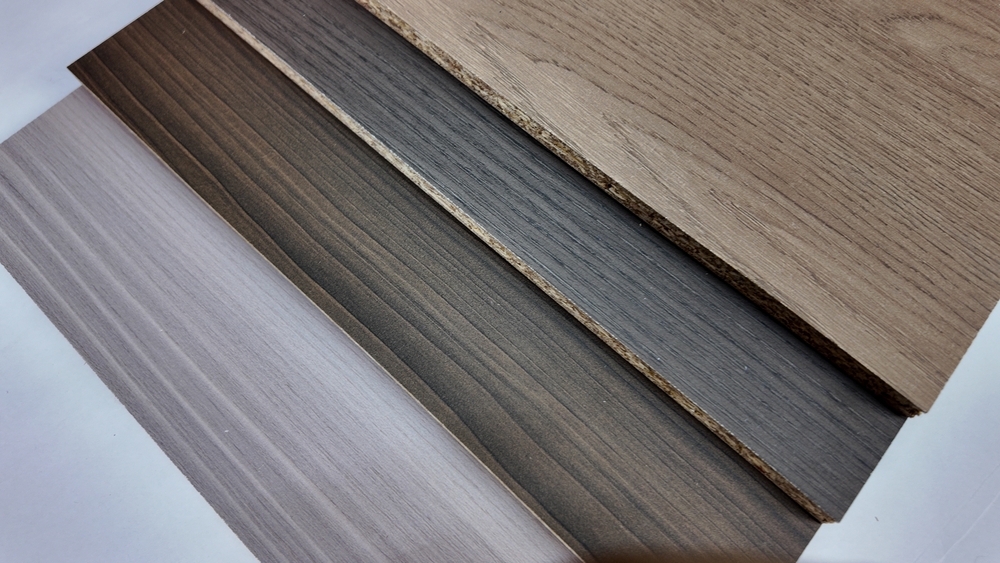
Melamine wears a different hat. It’s created by pressing a decorative, resin-soaked paper over a base like particleboard or MDF. The result is a sleek, wipeable surface available in a huge variety of finishes and colours.
Melamine boards are ideal for cupboards, wardrobe interiors, desks, and most things that live indoors and need to look polished. If you want style and practicality rolled into one, this is your board.
Curious about hybrid options? Meet melaply. It blends melamine’s decorative coating with a plywood core for the best of both worlds. Think strength with a sharp suit on.
Types of Melamine Board
Not all melamine boards are made equal. Here’s what you’ll find in Timbercity’s range:
- Melamine-faced particleboard (MF PB): Lightweight and cost-effective, perfect for cabinet carcasses or shelves that don’t bear too much weight.
- Melamine-faced MDF: Denser and smoother, great for detailed cutting and painting.
- Melamine-faced plywood (Melaply): Stronger core with a finished surface, ideal for furniture and high-traffic areas.
Some melamine boards even come with moisture-resistant or fire-rated properties for projects that demand extra durability.
Explore the full range of boards to see which one fits your build.
Plywood vs Melamine: The Face-Off
Strength and Durability
When it comes to holding things together, plywood comes out swinging. Its layered structure gives it edge strength and superior screw-holding ability. Melamine, while strong in its own right, is better suited to decorative or light-use applications.
If you’re building furniture frames or any structure that needs to take weight, plywood is your friend. For doors, drawers, or sleek interior finishes, melamine is more than enough.
Looks and Finishes
Melamine takes the win here. Available in a wide selection of colours, textures, and finishes, it lets you match the aesthetic of almost any interior. Plywood, unless painted or veneered, tends to stick to its natural wooden grain.
So ask yourself: do you want something ready to install, or something you can personalise and finish your way?
Cost and Affordability
Melamine is typically more budget-friendly, especially for big interior jobs. Plywood tends to be more expensive due to its solid wood core, but for the strength it brings, many DIYers find it worth the investment.
Water and Heat Resistance
In damp or high-humidity areas like kitchens or bathrooms, make sure you’re using moisture-resistant boards. Some melamine boards come specially treated for this. Plywood performs well when sealed, but untreated edges can be vulnerable over time.
Cutting and Workability
Both materials are easy to work with, but melamine needs careful cutting to avoid chipping the surface. You’ll want proper tools and possibly edge banding to finish the cut edges neatly. Plywood is a bit more forgiving, especially for first-timers.
Which Should You Use and Where?
Let’s say you’re building a kitchen. Melamine works beautifully for interior panels. For doors or heavy-use surfaces, opt for plywood or even melaply.
In a wardrobe, go for melamine for a clean, finished look. For a custom desk or bookshelf, consider combining both – melamine for surfaces, plywood for the core structure.
Need inspiration or support? Timbercity’s team is ready to help you pair the right materials with your vision.
Timbercity Makes It Simple
Whether you’re a weekend DIYer or a full-time maker, Timbercity is your go-to for everything board related. We stock a wide range of melamine and plywood boards, offer precision cut-to-size services, and give real, helpful advice when you need it.
No jargon. No guesswork. Just quality materials and support to match.
Choosing the Right Board Matters
At the end of the day, your project deserves the right foundation. Plywood offers strength and structure. Melamine gives you ease and elegance. Both have a role to play. It’s all about matching the board to the job.
So before your next build, visit Timbercity online or in store. Chat with a specialist. Get your materials cut to size. Then bring your ideas to life, one perfect board at a time.