
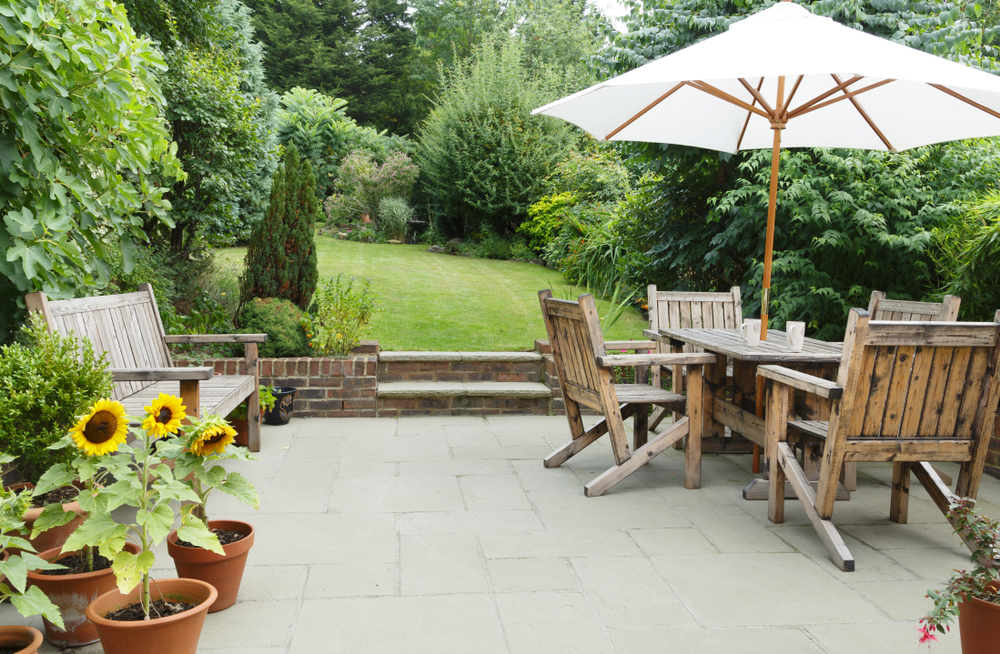
Outdoor furniture must withstand harsh elements such as sun, rain, humidity, and fluctuating temperatures. Choosing the right type of wood ensures longevity, minimises maintenance, and enhances the overall aesthetic of your outdoor space. Whether you’re selecting wood for a patio dining set, garden bench, or deck chairs, understanding the pros and cons of different wood types will help you make an informed decision.
This guide explores the best wood options for outdoor furniture, key considerations like durability and maintenance, and how to protect your furniture for years to come.
For a wide range of high-quality timber products, check out Timbercity.
Factors to Consider When Choosing Outdoor Furniture Wood
Selecting the right wood for outdoor furniture involves several important factors. Some woods are naturally durable and weather-resistant, while others require extensive maintenance to remain in good condition.
Weather Resistance
Outdoor furniture is constantly exposed to weather conditions that can cause warping, rotting, or fading. Hardwoods like teak and iroko contain natural oils that make them highly resistant to moisture, while softwoods such as cedar and redwood have some natural resistance but may require extra protection.
Durability and Strength
Outdoor furniture should be sturdy enough to withstand frequent use and environmental stressors. Hardwoods like teak and mahogany are dense and highly durable, making them ideal for long-lasting outdoor pieces. Softwoods like pine are lighter and more affordable but may be more prone to damage over time.
Maintenance Needs
- Low-maintenance woods: Teak and iroko require minimal upkeep due to their natural oils.
- Moderate-maintenance woods: Cedar and redwood resist moisture but benefit from occasional sealing.
- High-maintenance woods: Pine and eucalyptus need regular treatments to maintain durability.
Cost and Availability
Exotic hardwoods such as teak and mahogany tend to be more expensive due to their durability and scarcity. More budget-friendly options like treated pine or eucalyptus provide good durability at a lower cost.
For a variety of high-quality timber options, visit Timbercity’s timber collection.
Best Wood for Outdoor Furniture & Benches
Outdoor furniture needs to withstand constant exposure to the elements. Below are some of the best options for both hardwood and softwood furniture.
Hardwood Options (Highly Durable & Weather-Resistant)
Teak
- One of the most durable outdoor woods, naturally resistant to water, insects, and decay.
- Contains natural oils that protect against moisture damage.
- Minimal maintenance—simply clean occasionally and apply teak oil to maintain colour.
- Higher price point but offers decades of durability.
Iroko
- A strong and durable African hardwood similar to teak but more affordable.
- Resistant to insects, rot, and moisture.
- Requires occasional oiling to preserve its golden-brown colour.
Mahogany
- A rich, reddish-brown hardwood known for its beauty and strength.
- Moderately resistant to moisture but benefits from sealing.
- Great for elegant outdoor pieces but requires more upkeep than teak.
Eucalyptus
- A fast-growing and sustainable alternative to teak.
- Naturally resistant to decay, but regular sealing helps extend its lifespan.
- More affordable than traditional hardwoods but requires maintenance.
Softwood Options (Budget-Friendly but Requires Maintenance)
Cedar
- Naturally resistant to moisture, insects, and decay.
- Lightweight, making it easy to move and work with.
- Softwood structure means it is prone to scratches and dents.
Redwood
- Durable and rich in natural tannins that protect against decay.
- Naturally beautiful with a reddish hue but requires sealing for longevity.
- More expensive than cedar but a solid alternative to hardwoods.
Treated Pine
- A cost-effective option for outdoor furniture when pressure-treated.
- Must be sealed or stained to protect against moisture.
- More prone to warping and cracking over time compared to hardwoods.
Wood Treatment and Protection for Outdoor Use
Even the most durable woods benefit from regular maintenance and protective treatments to extend their lifespan.
Sealing & Waterproofing
Applying a high-quality wood sealer helps prevent water absorption, reducing the risk of swelling, cracking, and rot. Hardwoods like teak require less sealing, while softwoods benefit from regular application.
UV Protection
Sun exposure can fade and weaken outdoor wood over time. UV-resistant finishes help preserve colour and structural integrity, preventing premature aging.
Painting vs. Staining
- Painting creates a thick protective layer but covers the wood grain.
- Staining enhances the wood’s natural beauty while offering moderate protection.
Regular Maintenance Tips
- Clean outdoor furniture periodically with a mild detergent to remove dirt and mould.
- Reapply protective sealants or wood oil annually to maintain moisture resistance.
- Cover or store furniture during extreme weather conditions for added longevity.
<h2>Best Type of Wood for Outdoor Benches</h2>
Outdoor benches need to be strong, comfortable, and resistant to weather damage. Here’s what to consider when selecting the best wood for benches.
Durability & Strength
Hardwoods like teak and iroko are excellent choices due to their ability to endure years of use without significant wear. Softwoods such as cedar and redwood offer good durability but may require additional treatment.
Climate Considerations
- Humid Climates: Opt for woods with high moisture resistance, such as teak or eucalyptus.
- Dry Climates: Mahogany and redwood perform well, though occasional sealing is recommended.
Structural Design
Benches should have a sturdy design, with strong joints and proper sealing to prevent premature wear. Well-crafted benches will last much longer, especially when paired with quality treatments.
Sustainable and Eco-Friendly Wood Choices
FSC-Certified Wood
The Forest Stewardship Council (FSC) certifies wood that comes from responsible forestry practices. Choosing FSC-certified wood ensures that you are supporting sustainable harvesting.
Composite Wood Alternatives
For an eco-friendly option, composite wood combines recycled materials with resin to mimic natural wood. It is highly durable, low-maintenance, and resistant to moisture and UV damage.
For more inspiration on sustainable outdoor projects, visit Timbercity’s inspiration page.
The best wood for outdoor furniture depends on your specific needs, climate, and budget.
- For long-lasting, low-maintenance furniture, opt for teak or iroko.
- For a balance of affordability and durability, eucalyptus and cedar are excellent choices.
- For budget-conscious buyers, pressure-treated pine and redwood provide good durability with proper maintenance.
Regardless of the type of wood you choose, proper care and maintenance will significantly extend the life of your outdoor furniture. Explore a range of high-quality wood options at Timbercity to find the best fit for your next project.